
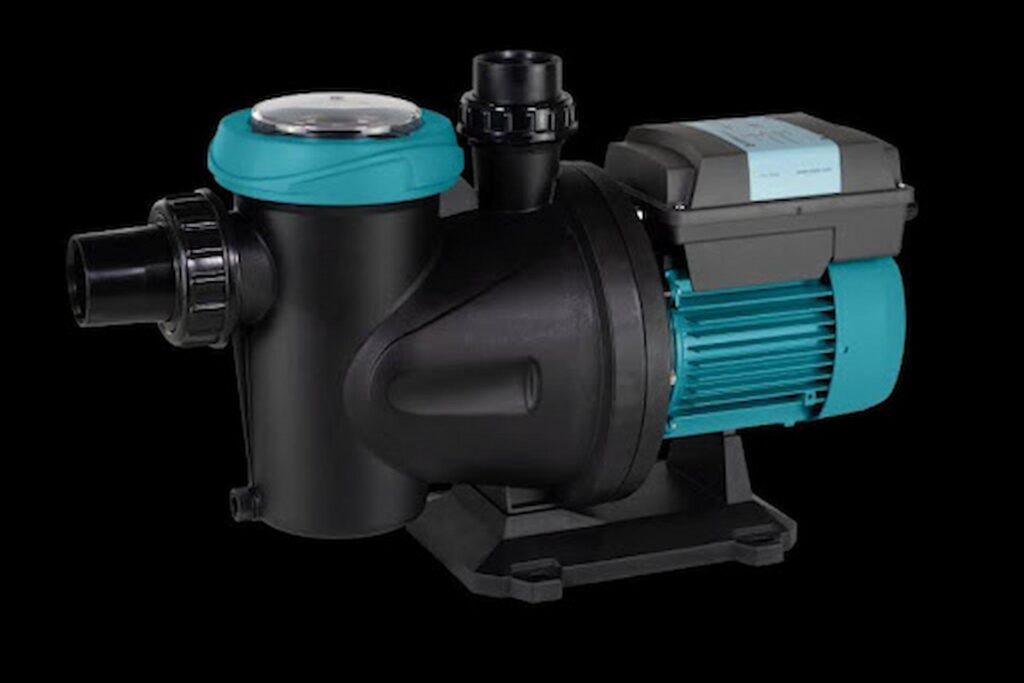

Your pool pump controls water circulation, filtration, and overall pool hygiene—yet it often gets overlooked until problems arise. Poor maintenance can lead to weak flow, higher energy bills, and early failure. By following a few targeted care steps, you can improve efficiency, prevent costly damage, and significantly extend your pump’s working life.
A well-functioning pool relies heavily on efficient systems that circulate water, remove debris, and maintain balanced conditions, with swimming pool pumps playing a central role in keeping everything running smoothly. Because these pumps operate at the heart of the system, even minor neglect can quickly affect overall performance, leading to higher energy use and potential damage. Consistent maintenance is the simplest way to protect your investment and keep your pool in top condition.
Why Pool Pump Maintenance Matters
A pool pump acts as the core of the entire filtration system. It keeps water moving, prevents stagnation, and supports chemical distribution. Without proper care, the system can become inefficient, leading to cloudy water and increased strain on the equipment.
Regular maintenance helps avoid these issues. It ensures steady water flow, reduces unnecessary energy consumption, and prevents wear on key components. Over time, even small checks can make a noticeable difference in performance and durability.
Keep the Pump Clean and Clear
One of the most important habits is keeping the pump clean. The basket inside the pump collects leaves, dirt, and other debris before they reach the motor. If it becomes clogged, water flow is restricted, forcing the pump to work harder than necessary.
Cleaning the basket regularly helps maintain proper circulation and reduces stress on the system. It is also important to keep the surrounding area free from dirt and clutter. A clean environment supports better airflow and prevents overheating.
Maintain Steady Water Flow
Water flow is essential for efficient operation. If the water level in the pool drops too low, air can enter the system, which may cause damage. Keeping the water level above the skimmer ensures smooth and uninterrupted circulation.
Air leaks are another common issue that can affect performance. Loose fittings or worn seals can allow air into the system, reducing efficiency and creating unusual noise. Regular checks and timely adjustments help maintain stable operation.
Keep the Filter in Good Condition
The pump and filter work together as a single system. When the filter becomes dirty, the pump must work harder to push water through it. This added strain can reduce efficiency and shorten the pump’s lifespan.
Cleaning or backwashing the filter at regular intervals helps restore proper flow. Over time, filter materials wear out and need replacement. Ensuring the filter remains in good condition allows the pump to operate without unnecessary pressure.
Inspect Key Components Regularly
Routine inspection of the pump’s components helps identify potential problems early. The motor should run smoothly without unusual sounds. Any grinding or humming noise may indicate internal wear or imbalance.
Seals and O-rings also play a crucial role in preventing leaks. As they age, they may crack or lose flexibility. Replacing worn parts promptly helps maintain pressure and prevents water loss. Paying attention to these details ensures that swimming pool pumps continue to function efficiently over time.
Manage Operating Time Wisely
Running the pump for the correct duration is essential for both performance and energy savings. Most pools require several hours of circulation each day to maintain clean water. However, running the pump continuously can lead to unnecessary wear.
Using a timer can help regulate operation and maintain consistency. This ensures the pump runs when needed without overworking the system. Adjusting run time based on usage and weather conditions can further improve efficiency.
Protect the Pump from External Conditions
Environmental factors can also affect the lifespan of a pool pump. Direct sunlight can cause overheating and gradual wear of external components. Placing the pump in a shaded area or using a protective cover can help reduce exposure.
Seasonal changes require additional attention. In colder conditions, taking steps to protect the pump from freezing temperatures is important. Proper preparation helps avoid damage and ensures the system remains functional throughout the year.
Recognise Early Warning Signs
Being aware of early warning signs can prevent minor issues from becoming major problems. Reduced water flow, unusual noises, or visible leaks often indicate that something needs attention.
Addressing these signs early helps maintain efficiency and avoids costly repairs. Regular observation of the pump’s performance makes it easier to detect changes and respond quickly.
Simple Habits That Extend Pump Life
A few consistent actions can significantly improve the lifespan of your pump:
- Clean the pump basket regularly
- Maintain proper water levels
- Keep the filter clean
- Check seals and connections
- Monitor performance and noise
These simple habits require minimal effort but provide long-term benefits by reducing wear and maintaining efficiency.
Final Thoughts
Maintaining a pool pump does not require complex procedures. With regular cleaning, careful monitoring, and timely adjustments, you can keep your system running efficiently for years. Giving proper attention to swimming pool pumps ensures consistent performance, lower energy costs, and a cleaner swimming environment. A little care goes a long way in protecting both your pool and your investment.
