
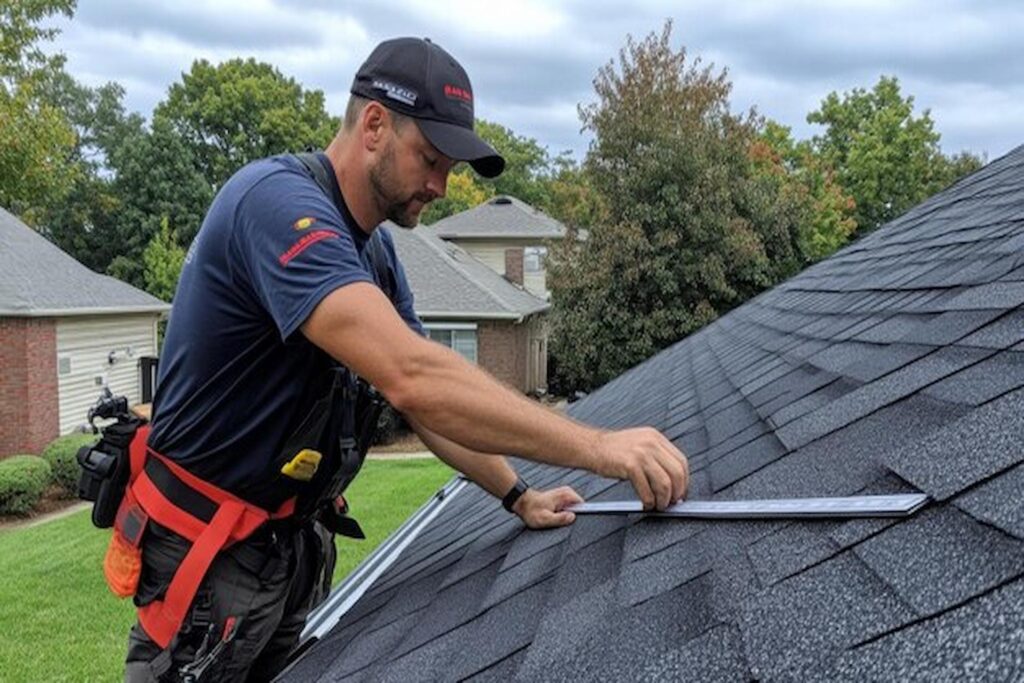

A roof rarely fails overnight. In most cases, small signs appear long before a serious problem develops. A missing tile, a damp patch on the ceiling, blocked guttering, or a slight sag in the roofline can all point to issues that need attention. Knowing when to contact roofers pinellas county for an inspection can help prevent minor damage from becoming costly structural work.
Regular roof inspections are not only useful after a storm or visible leak. They are also important for maintaining the safety, value, and energy efficiency of a property. Whether you own a home, manage a rental property, or look after a commercial building, timely roof checks can give you peace of mind and help you plan repairs before they become urgent.
Why Roof Inspections Matter
Your roof protects the entire property from rain, wind, heat, debris, and moisture. When it is in good condition, it supports insulation, protects internal walls, and helps prevent water damage. When it is neglected, even a small weakness can spread quickly.
A professional inspection looks beyond what can be seen from ground level. Roofers can assess tiles, flashing, vents, gutters, underlayment, drainage points, and signs of hidden moisture. They can also identify early wear that may not yet be causing visible problems inside the home.
This matters because roof damage often develops quietly. A small crack around flashing may allow water to enter during heavy rain. Over time, that moisture can affect timber, insulation, plaster, and electrical areas. By the time a stain appears on the ceiling, the issue may already have been present for some time.
After Severe Weather
One of the clearest times to arrange a roof inspection is after severe weather. Strong winds, heavy rain, hail, and falling branches can all cause damage, even when the roof appears normal from the outside.
Storm damage is not always dramatic. You may not see a large hole or obvious missing section. Instead, there may be lifted shingles, loosened tiles, damaged flashing, small punctures, or debris trapped in gutters. These issues can weaken the roof’s defense against future weather.
It is wise to contact professional roofers after extreme weather if you notice the following:
- Loose or missing roof tiles
- Debris on the roof or in gutters
- Water marks on ceilings or upper walls
- New draughts in loft spaces
- Guttering that has pulled away
- Branches or impact marks on the roof
- A sudden increase in indoor dampness
Even if the roof looks fine, an inspection can confirm whether hidden damage has occurred. This is especially important if your area has experienced repeated storms or high winds over a short period.
When You Notice Water Stains or Damp Patches
Water stains are one of the most common signs that a roof inspection is needed. Brown marks on ceilings, peeling paint, bubbling plaster, or damp patches near upper walls can suggest that moisture is entering the property.
However, the source of the leak is not always directly above the stain. Water can travel along beams, insulation, and internal surfaces before becoming visible. This makes it difficult to locate the true cause without a proper inspection.
Professional roofers can trace the likely entry point and check whether the issue is related to damaged tiles, cracked flashing, blocked gutters, poor ventilation, or worn roof materials. Acting quickly is important because moisture can lead to mold growth, timber decay, and interior damage if ignored.
Before Buying or Selling a Property
A roof inspection is highly useful before buying or selling a property. For buyers, it can reveal whether the roof is in good condition or likely to need repairs soon. For sellers, it can help identify issues before they appear during a survey or negotiation.
A roof in poor condition can affect a property’s value and may raise concerns for lenders, insurers, or prospective buyers. On the other hand, a recent professional inspection can provide reassurance and support a smoother transaction.
If you are buying an older property, a roof check becomes even more important. Aging materials, past repairs, ventilation problems, or hidden leaks may not be obvious during a standard viewing.
If Your Roof Is Ageing
Every roof has a natural lifespan, depending on the materials used, installation quality, weather exposure, and maintenance history. As a roof gets older, inspections become more important.
Ageing roofs may show signs such as cracked tiles, worn surfaces, sagging sections, loose flashing, moss build-up, or recurring leaks. Even if the roof has not caused major problems, it may be nearing the stage where repairs or replacement planning is sensible.
A professional inspection does not always mean you will need immediate work. In many cases, roofers can advise on maintenance, small repairs, and the likely remaining lifespan of the roof. This helps property owners budget properly instead of being surprised by emergency repair costs.
After Finding Loose, Missing, or Damaged Materials
Visible roof damage should never be ignored. Missing shingles, slipped tiles, cracked sections, or broken ridge caps can expose the roof structure to rain and moisture. Even one damaged area can allow water to enter during bad weather.
You may notice these signs from ground level, especially after wind or storms. You may also see pieces of material in the garden, driveway, or guttering. While it may be tempting to delay action if there is no leak inside, roof damage can worsen quickly when left exposed.
This is another point where calling roofers pinellas county for an inspection can help determine whether a simple repair is enough or whether there are deeper issues beneath the surface.
When Gutters Are Overflowing or Blocked
Gutters play a key role in roof health. They direct rainwater away from the roofline, walls, and foundations. When gutters are blocked, broken, or poorly aligned, water can back up under roofing materials or spill against the property.
Overflowing gutters may seem like a minor maintenance issue, but they can contribute to damp walls, fascia damage, roof edge decay, and internal leaks. If gutter problems happen repeatedly, it may suggest a wider drainage issue or roofline defect.
A roof inspection can check whether water is flowing correctly and whether the roof edge, soffits, and fascia boards have been affected by moisture.
If Energy Bills Have Increased Unexpectedly
A damaged or poorly ventilated roof can affect indoor comfort and energy performance. If warm air escapes through gaps, damaged insulation, or ventilation problems, heating and cooling systems may need to work harder.
Of course, energy bills can rise for many reasons. However, if the increase is unexplained and you have also noticed draughts, dampness, or uneven indoor temperatures, the roof may be part of the problem.
A roof inspection can help identify issues with ventilation, insulation condition, and areas where air or moisture may be entering the property.
Before and After Major Home Improvements
If you are planning a loft conversion, solar panel installation, extension, or major renovation, it is sensible to have the roof inspected first. This ensures the roof is structurally sound and suitable for any planned changes.
After work is completed, another inspection may also be useful. This can confirm that roof penetrations, flashing, seals, and drainage points have been properly finished. It is easier to correct small installation-related issues early than to deal with leaks later.
How Often Should a Roof Be Inspected?
The ideal inspection schedule depends on the property, roof age, weather exposure, and previous maintenance. As a general approach, many homeowners benefit from a professional roof inspection at least once every couple of years, with additional checks after severe weather or visible damage.
Older roofs, flat roofs, and properties in areas exposed to strong weather may need more frequent inspections. Commercial buildings may also require scheduled checks as part of ongoing property maintenance.
The aim is not to overinspect the roof but to catch problems early enough that repairs remain manageable.
Conclusion
You should contact professional roofers for an inspection whenever there are signs of damage, leaks, aging materials, storm exposure, blocked drainage, or unexplained changes inside the property. A roof inspection is also valuable before buying, selling, renovating, or planning long-term maintenance.
The best time to act is before a small concern becomes a serious problem. By arranging timely inspections and dealing with issues early, property owners can protect their building, reduce repair risks, and maintain confidence in the condition of their roof.
