
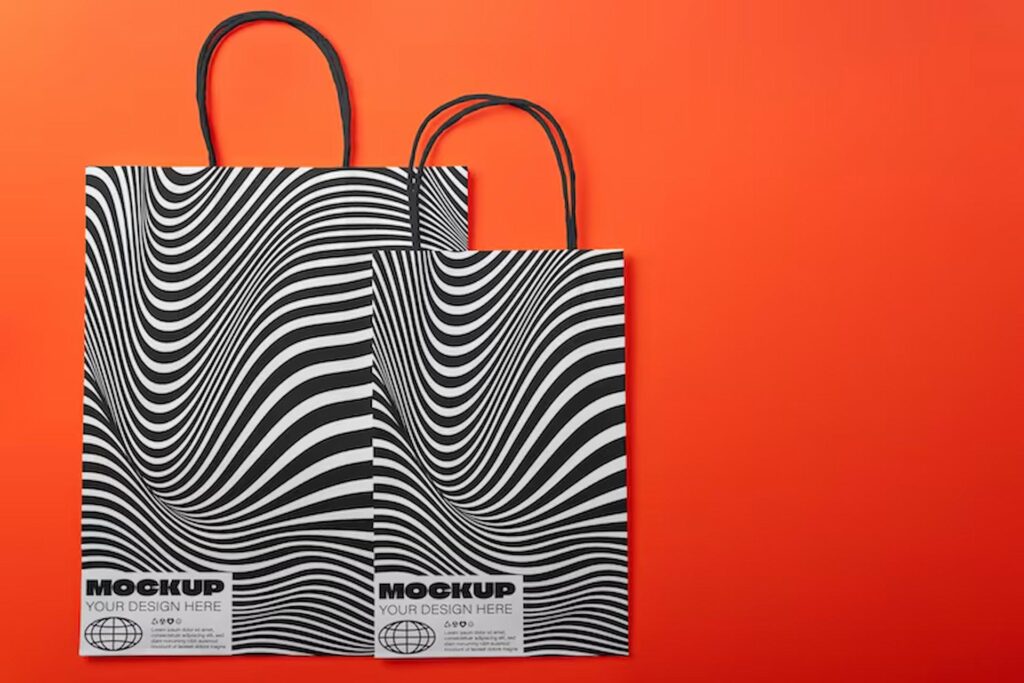

Packaging is often the first thing customers notice — and the last thing they remember. From durability and sizing to handles and print quality, here’s what retailers should know before choosing paper bags that support branding, presentation, and everyday business needs.
Retail packaging has become far more than a simple way to carry products. Today, packaging plays a direct role in brand presentation, customer perception, and shopping experience. Well-designed printed paper bags help businesses create a polished image while offering practical functionality customers appreciate.
From fashion stores and gift shops to cafés and boutique retailers, paper bags remain one of the most widely used retail packaging solutions. However, choosing the right bag involves more than selecting a logo and colour scheme. Retailers also need to understand paper thickness, bag sizing, handle options, and printing techniques to ensure the packaging performs well in everyday use.
How Printed Paper Bags Support Retail Branding
Packaging is often one of the first physical interactions customers have with a brand. A sturdy, professionally designed paper bag can reinforce quality and attention to detail.
Retail businesses commonly use paper bags because they offer:
- Strong visual branding opportunities
- Practical carrying convenience
- A professional presentation
- Flexible sizing options
- Compatibility with different retail sectors
Many retailers now use printed paper bags as part of their broader marketing strategy because customers frequently reuse attractive bags, increasing brand visibility beyond the original purchase.
Understanding GSM in Paper Bags
GSM (grams per square metre) measures the thickness and weight of paper used in a bag. Higher GSM paper is thicker and stronger, while lower GSM paper is lighter and more flexible.
Common GSM Ranges for Retail Bags
70–90 GSM – Best for lightweight use, including takeaway bags, promotional packaging, and small retail items.
100–140 GSM – A balanced option suitable for clothing stores, gift shops, cosmetics, and general retail packaging.
150–250 GSM – Heavy-duty paper designed for luxury packaging, premium boutiques, heavier products, and high-end presentation.
Choosing the right GSM depends on product weight, durability needs, and the brand image you want to create.
Choosing the Right Bag Size
Choosing the right bag size is essential for both presentation and practicality. Bags that are too small can inconvenience customers, while oversized bags may look wasteful and unprofessional.
Common Retail Bag Sizes
Small Paper Bags – Ideal for jewellery, cosmetics, gifts, and accessories. Commonly used in boutiques and specialist stores.
Medium Paper Bags – Suitable for folded clothing, shoes, beauty products, and takeaway items. A versatile option for everyday retail use.
Large Paper Bags – Best for larger purchases, multi-item shopping, home décor products, and bulk packaging. These often require reinforced bases and stronger handles.
When selecting bag sizes, retailers should consider product dimensions, weight, customer comfort, storage needs, and overall brand presentation. Offering multiple sizes can also help reduce unnecessary packaging waste.
Different Handle Types Explained
Handles play an important role in both function and presentation. The right choice improves carrying comfort and enhances brand appeal.
Twisted Paper Handles – A popular option known for strength, comfort, cost-effectiveness, and a clean retail look. Common in fashion and general retail.
Flat Paper Handles – A practical and affordable choice used for takeaway food, groceries, and lightweight shopping bags.
Rope Handles – Offer a premium feel, often used in luxury retail, gift stores, and high-end fashion packaging.
Ribbon Handles – Mainly decorative, ideal for gift packaging and special occasions, but not suited for heavy items.
Popular Printing Methods for Paper Bags
The printing method used on retail bags affects colour quality, durability, design detail, and production costs.
Understanding the differences helps retailers choose the most suitable option for their branding needs.
Flexographic Printing
Flexographic printing is widely used for large production runs.
Advantages include:
- Fast production speeds
- Cost efficiency for bulk orders
- Consistent colour application
This method works well for simple branding and standard retail packaging.
Offset Printing
Offset printing delivers high-quality image detail and colour accuracy.
Best suited for:
- Detailed graphics
- Premium branding
- Luxury packaging
Retailers looking for sharp visual presentation often prefer this method.
Digital Printing
Digital printing has become increasingly popular for short-run orders.
Benefits include:
- Faster turnaround times
- Lower setup costs
- Easy design customisation
- Suitable for small batches
This method works well for seasonal promotions and limited packaging runs.
Screen Printing
Screen printing provides bold, vibrant designs with strong colour coverage.
Typically used for:
- Special finishes
- Bold branding
- Smaller custom projects
It can create visually striking packaging designs when used correctly.
Important Features Retailers Should Consider
Beyond size and printing, several additional features can improve packaging performance.
Reinforced Bases
Heavy-duty products benefit from reinforced bottoms that improve strength and reduce tearing.
Laminated Finishes
Lamination adds protection and visual enhancement.
Available options include:
- Gloss finish
- Matte finish
- Soft-touch coating
These finishes can improve durability while creating a more premium appearance.
Foldability and Storage
Retailers with limited storage space often prefer flat-packed bags that are easy to organise and access.
Colour Consistency
Consistent branding across packaging materials helps strengthen professional presentation and customer recognition.
Common Mistakes Retailers Should Avoid
Choosing retail packaging without careful planning can lead to unnecessary costs and customer dissatisfaction.
Using Paper That Is Too Thin
Low GSM paper may struggle to support products properly, especially during busy retail periods.
Selecting the Wrong Bag Size
Oversized bags increase material usage, while undersized bags reduce convenience.
Ignoring Handle Strength
Handles should always match the expected product weight and daily retail demands.
Overcomplicating Designs
Simple, clean branding often creates a stronger visual impact than overcrowded graphics.
How Retail Packaging Supports Brand Identity
Packaging contributes significantly to overall brand consistency. Customers often associate packaging quality with product quality, even before they fully experience the purchase itself.
Professional paper bag design helps businesses:
- Improve brand recognition
- Create a stronger retail presentation
- Encourage repeat customer impressions
- Support a more polished shopping experience
Because of this, many retailers view printed paper bags as both a packaging solution and a long-term branding investment.
Conclusion
Retail packaging decisions involve much more than appearance alone. The right combination of GSM, sizing, handle type, and print method directly affects durability, functionality, customer convenience, and overall brand presentation.
Businesses that carefully select their packaging can create a stronger retail experience while improving operational efficiency and maintaining professional consistency. From lightweight takeaway packaging to premium boutique presentation, understanding the technical aspects of paper bags helps retailers make smarter packaging decisions that align with their products and branding goals.
Well-designed printed paper bags continue to remain one of the most practical and visually effective packaging choices for modern retail businesses.
