
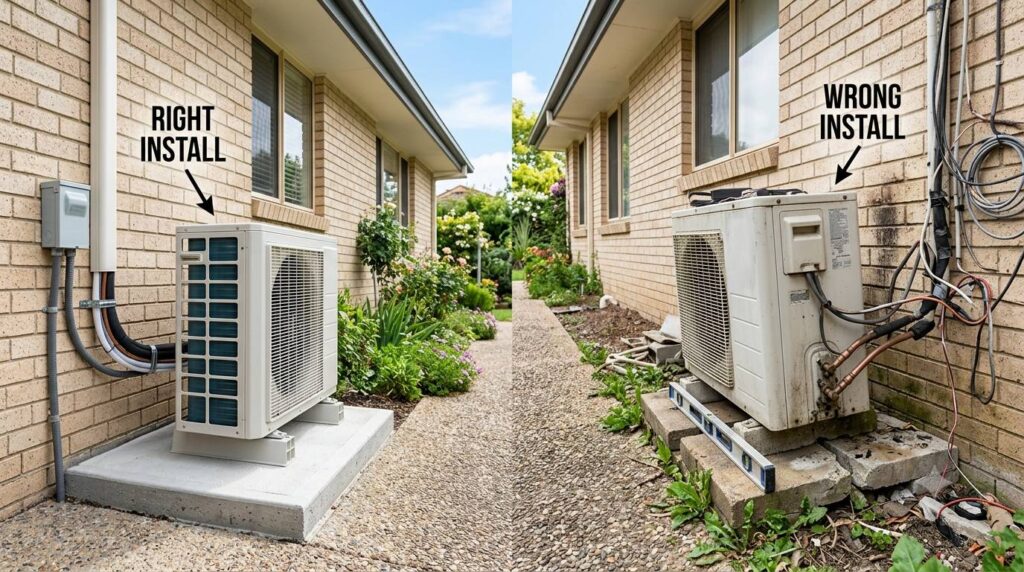

Picking a high-quality air conditioner feels like the smart first step toward summer comfort. Yet even the best unit can disappoint if the installation falls short. Proper AC installation for Colorado Springs homes ensures the system matches your space, runs efficiently, and delivers the performance you paid for. Skilled technicians handle sizing, placement, and connections so your new AC works as designed from day one. When installation quality matches equipment quality, you gain reliable cooling, lower energy bills, and fewer headaches down the road.
The Real Cost of Cutting Corners on Installation
Many homeowners focus on brand names and efficiency ratings. Those details matter, but installation quality often decides whether the system reaches its potential. Industry data shows that poor installation can cut efficiency by as much as 30 percent. That means higher monthly bills, uneven temperatures, and extra wear on parts.
Common problems include incorrect sizing, improper refrigerant charge, restricted airflow, and poor duct connections. An oversized unit cools the air quickly but fails to remove humidity. An undersized unit runs constantly without keeping up. Both scenarios lead to short cycling, higher energy use, and a shorter system lifespan. Professional installers avoid these issues by performing careful load calculations and matching the equipment to your home’s unique needs.
In Colorado Springs, altitude, dry climate, and temperature swings add extra considerations. A system installed without attention to local conditions may struggle on the hottest days or waste energy during milder weather. Taking the time to install correctly protects both comfort and your wallet.
How Professional Installation Delivers Better Performance
A quality installation process covers far more than placing the outdoor unit and connecting lines. Technicians start with a thorough assessment of your home. They measure square footage, check insulation, evaluate existing ductwork, and calculate the cooling load. This step ensures the new system is neither too large nor too small.
Next comes precise placement of indoor and outdoor components. Proper clearance around the outdoor unit improves airflow and efficiency. Secure, leak-free refrigerant lines and correct electrical connections prevent future problems. Technicians also verify thermostat settings, drainage, and airflow balance so every room receives even cooling.
For homes without ducts, ductless mini-split systems require careful positioning of indoor air handlers. Central systems need attention to existing ductwork so air moves freely. Heat pumps, which provide both heating and cooling, demand the same careful matching and commissioning. When every detail is handled correctly, the system runs quieter, maintains better humidity control, and uses less energy.
Professional installation also protects manufacturer warranties. Many warranties require proof of proper installation by qualified technicians. Skipping this step can leave you without coverage when repairs become necessary.
Key Steps That Make Installation Successful
- Accurate load calculation determines the right system size for your home.
- Inspection and possible adjustment of ductwork improve airflow and efficiency.
- Correct refrigerant charge and sealed connections prevent performance loss.
- Proper electrical work and thermostat setup ensure safe, reliable operation.
- Final testing and commissioning confirm the system meets performance targets.
These steps turn a new air conditioner into a long-term comfort solution rather than a source of ongoing frustration. Homeowners who invest in careful installation typically enjoy lower operating costs and fewer service calls over the life of the unit.
Long-Term Benefits You Can Count On
When installation matches the quality of the equipment, the advantages compound over time. Energy bills stay lower because the system operates at peak efficiency. Indoor temperatures remain consistent from room to room. Humidity stays under control, which improves comfort and helps protect furniture and finishes. The equipment experiences less stress, so it lasts longer and requires fewer repairs.
In the Colorado Springs climate, these benefits matter. Hot summer days and dry air put real demands on cooling systems. A properly installed unit handles those demands without constant strain. You also gain peace of mind knowing the work was done right the first time. That confidence is especially valuable when temperatures climb and you need reliable cooling most.
Choosing the right contractor is part of the equation. Look for experienced technicians who understand local conditions, follow manufacturer guidelines, and stand behind their work. Quality installation is not an extra expense—it is the difference between a system that merely cools and one that performs as promised for years.
Protecting Your Investment with the Right Approach
Selecting an efficient, well-built air conditioner is important. Making sure it is installed correctly is equally important. Proper AC installation for Colorado Springs homes turns a good purchase into lasting comfort and savings. From accurate sizing and careful placement to thorough testing, every detail contributes to better performance, lower energy use, and longer equipment life.
By prioritizing professional installation, you avoid the common pitfalls that reduce efficiency and shorten system lifespan. You gain even temperatures, better humidity control, and reliable operation through Colorado’s hottest days. The result is a home that stays comfortable without unnecessary costs or headaches. Take the time to do installation right, and your new AC will deliver the cool, consistent performance you expect for many seasons to come.
FAQs
Why does AC installation quality matter as much as the unit itself?
Even a high-efficiency system can lose up to 30 percent of its performance if sizing, airflow, refrigerant levels, or connections are incorrect. Proper installation ensures the equipment delivers the comfort and efficiency ratings promised by the manufacturer.
What problems can result from poor AC installation?
Common issues include short cycling, uneven temperatures, high energy bills, excess humidity, increased wear on parts, and a shorter system lifespan. Many of these problems can be avoided with careful professional work.
How does proper sizing affect performance?
Correct sizing prevents the system from running too short or too long. An accurately sized unit cools effectively, controls humidity, and operates more efficiently than one that is too large or too small.
What should I expect during a professional AC installation?
Technicians typically perform a load calculation, inspect ductwork or plan air-handler placement, make secure connections, charge the system correctly, set up controls, and test everything before leaving. The process focuses on matching the system to your specific home.
